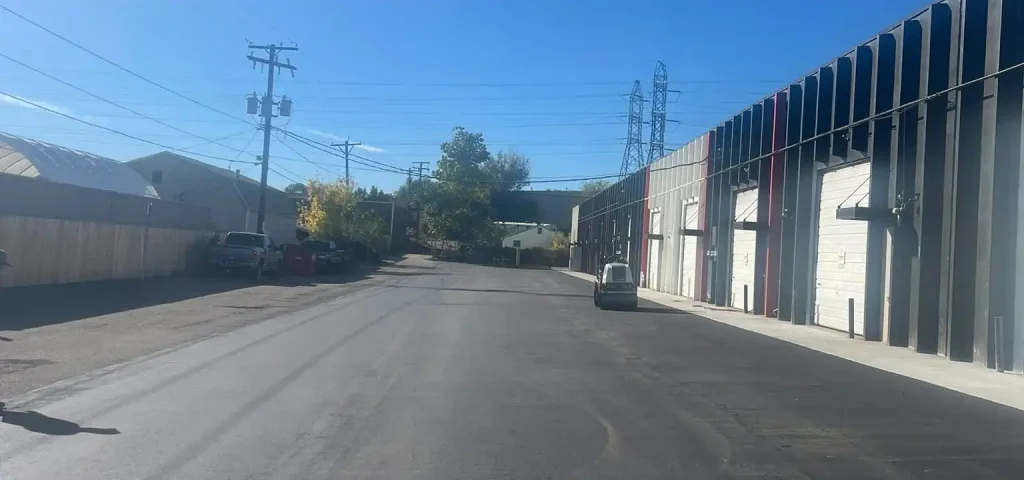
If you manage a parking lot or commercial property in Denver, you’ve likely noticed that certain areas wear out faster than others. Loading zones, dumpster pads, and driveways where delivery trucks turn around often develop cracks, ruts, and potholes years before the rest of your pavement. Then winter arrives, and snow plows add another layer of abuse. The combination is brutal on asphalt, especially in high-stress zones that see constant heavy traffic.
Understanding why these areas fail prematurely and what you can do about it can save you thousands in emergency repairs. More importantly, it helps you protect your investment and avoid the costly disruptions that come with pavement failure.
Overview
Commercial parking lots in Denver face unique challenges that residential driveways rarely encounter. Heavy delivery trucks concentrate thousands of pounds of weight in specific zones multiple times per day, while winter snow removal operations scrape and stress the same surfaces repeatedly. This combination creates accelerated wear patterns that can cut your pavement’s lifespan in half if not properly managed. This guide examines why high-stress areas fail faster, which zones are most vulnerable, and what preventive measures actually work in Colorado’s demanding climate.
Why Heavy Trucks Destroy Asphalt Faster
Asphalt is designed to handle traffic, but not all traffic is equal. A delivery truck weighs 10 to 20 times more than a passenger car. When that weight concentrates in one spot like a loading zone where trucks idle, turn, or brake, the asphalt compresses repeatedly. Over time, this constant pressure crushes the base underneath and creates permanent depressions.
The damage compounds when trucks make sharp turns or pivot in the same location. The twisting motion grinds the surface, wearing through sealcoating and exposing the binder underneath. Once the protective layer is gone, moisture seeps in, freeze-thaw cycles take over, and what started as minor rutting becomes a full-blown structural failure.
We see this most often around loading docks, delivery zones, and dumpster pads. These are the same areas where property managers typically notice problems first because the damage is visible, functional, and expensive to ignore.
Snow Plows: Necessary but Destructive
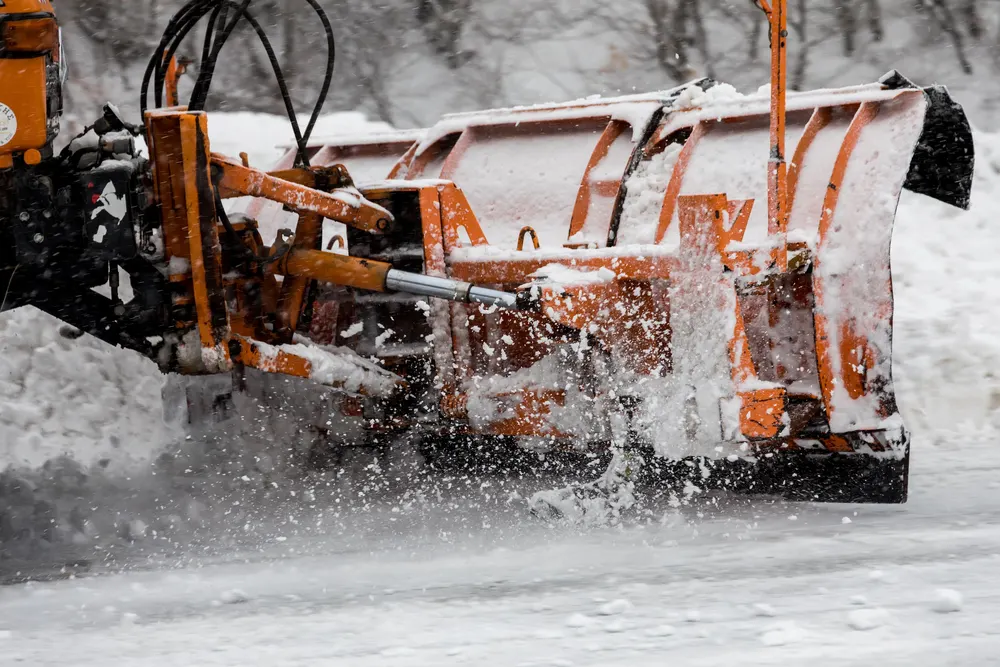
Denver’s winter weather demands aggressive snow removal, but snow plow blades scrape more than just ice and snow. They strip away sealcoating, gouge the asphalt surface, and create divots that trap water. When that water freezes overnight, it expands and widens the damage. By spring, you’re left with cracks that weren’t there in October.
Plow operators aren’t trying to damage your lot, but the physics are unavoidable. Blades set too low hit the pavement directly. Blades angled sharply dig into corners and transitions. And when plows turn or reverse, the friction and pressure concentrate in small areas, accelerating wear.
De-icing salt makes the problem worse. Salt accelerates the breakdown of asphalt binder, drying out the surface and making it brittle. This brittleness makes the pavement more vulnerable to cracking under stress from traffic and temperature changes. Areas that see both heavy salt use and plow traffic fail faster than anywhere else on your property.
High-Stress Zones: Where Asphalt Damage Happens First
Not all parts of a parking lot experience the same level of stress. Certain zones take a disproportionate beating:
Loading Docks and Delivery Zones
Trucks idle here while loading or unloading. The weight sits in one spot for extended periods, compressing the base. Add in turning movements and the constant traffic of forklifts or pallet jacks, and you’ve got a recipe for rutting and surface degradation.
Dumpster Pads
Trash trucks are some of the heaviest vehicles your lot will see, and they stop in the exact same spot every time. The repetitive impact of the truck’s weight combined with the strain of lifting a loaded dumpster creates deep depressions. These low spots hold water, which accelerates deterioration through freeze-thaw cycles.
Drive-Thru Lanes
Vehicles brake, idle, and accelerate repeatedly in drive-thru lanes. This stop-and-go pattern stresses the asphalt differently than steady through-traffic. The constant acceleration and braking grinds away at the surface, and the idling weight compresses the base.
Snow Plow Turnarounds
Plow operators need space to turn around, and they typically use the same routes each storm. These turnaround zones see concentrated blade pressure, pivoting weight, and aggressive scraping. By the end of winter, these areas often look years older than the rest of the lot.
Preventing Asphalt Damage Before It Starts
You can’t eliminate delivery trucks or stop plowing, but you can design and maintain your pavement to handle the stress. Here’s how:
Use Thicker Asphalt in High-Traffic Areas
Standard parking lot asphalt is typically 2 to 3 inches thick over a gravel base. For high-stress zones like loading docks and dumpster pads, we recommend 4 to 6 inches of asphalt with a reinforced base. The extra thickness distributes weight more effectively and prevents rutting.
If you’re repaving or installing new pavement, this is the time to upgrade these areas. It costs more upfront, but the extended lifespan and reduced repair costs more than justify the investment.
Install Concrete Pads Where It Makes Sense
For dumpster pads and loading docks that see extreme weight, concrete is often the better choice. Concrete handles heavy point loads better than asphalt and doesn’t rut or compress the same way. It costs more initially, but in areas where asphalt would need replacement every few years, concrete pays for itself.
Sealcoat Regularly, Especially Before Winter
Commercial sealcoating protects asphalt from moisture, UV damage, and chemical breakdown from salt and petroleum. It’s especially critical in high-stress zones where the surface takes more abuse. We recommend sealcoating every 2 to 3 years for most parking lots, but high-traffic areas may benefit from annual applications.
Timing matters. Apply sealcoat in late spring or summer so it has time to cure before winter arrives. A fresh sealcoat creates a protective barrier that helps your pavement survive plow blades and salt better.
Fix Cracks and Potholes Immediately
Once a crack forms, water gets in. Once water gets in, freeze-thaw cycles expand the crack into a pothole. Asphalt patching costs a few hundred dollars. Pothole patching costs more. Full resurfacing costs thousands.
Inspect high-stress zones regularly, ideally twice a year, in spring and fall. Address any damage before it worsens.
Manage Snow Removal Carefully
Work with your snow removal contractor to minimize pavement damage. Ask them to set blade heights appropriately to avoid gouging the surface. Mark vulnerable areas like transitions, curbs, and recently repaired sections so operators know to use extra care.
Consider using alternative de-icing products in high-stress zones. Sand or calcium chloride are less corrosive to asphalt than traditional rock salt. They cost more, but they extend pavement life in areas that matter most.
When Repairs Aren’t Enough: Full Asphalt Replacement
Sometimes the damage is too far gone for patching. If a high-stress area has deep ruts, widespread cracking, or base failure, you need full-depth replacement. This means removing the old asphalt, repairing or replacing the base, and installing new pavement built to handle the specific load requirements of that zone.
Full replacement is expensive, but it’s also permanent. When done right with proper base preparation and adequate asphalt thickness, a rebuilt high-stress zone can last 20 years or more.
Protect Your Investment
Heavy delivery traffic and snow plows are facts of life in Denver. They’re essential to your business operations and your tenants’ safety. But they don’t have to destroy your pavement prematurely. With smart design, proactive maintenance, and timely repairs, you can extend the life of your parking lot and avoid expensive emergency fixes.
At Riley’s Asphalt, we specialize in commercial paving and maintenance. We understand the unique challenges your parking lot faces. We can evaluate your property, identify vulnerable areas, and recommend solutions that fit your budget and timeline.If your loading zones, dumpster pads, or drive-thru lanes are showing signs of wear, don’t wait for the damage to spread. Call Riley’s Asphalt today for a free inspection and estimate. We’ll help you protect your pavement and keep your property functional through every season.